
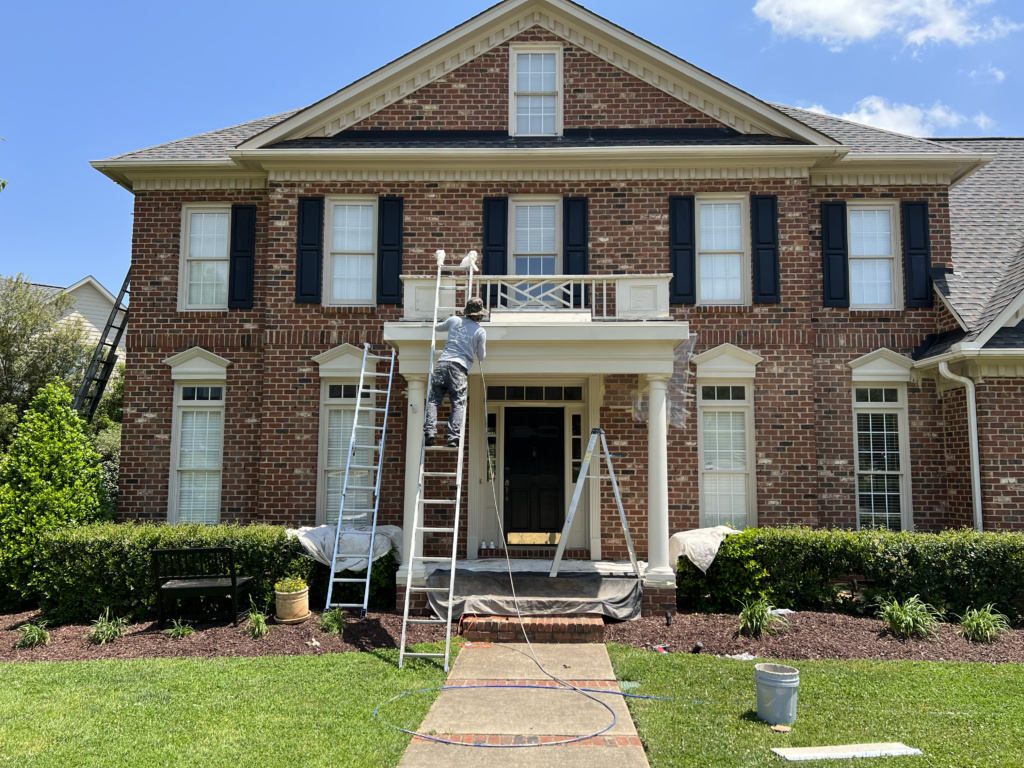
Exterior painting temperature determines whether your paint job lasts decades or peels within months. Paint applied outside optimal temperature ranges fails to cure properly, consequently leading to bubbling, cracking, and premature deterioration that costs thousands in repairs.
Raleigh’s climate offers distinct painting windows throughout the year, with some months providing ideal conditions while others present significant challenges. This guide explores the temperature requirements for exterior painting, breaks down Raleigh’s seasonal painting conditions, and identifies the best months to paint your home while avoiding costly weather-related mistakes.
Temperature Requirements for Exterior Painting
Paint manufacturers design their products to perform within specific thermal boundaries. Most exterior paints require air temperatures between 50°F and 85°F during application and curing. Temperatures below 50°F slow the chemical reactions needed for proper film formation, whereas readings above 85°F cause paint to dry too quickly on the surface while remaining wet underneath.
Minimum and maximum temperature ranges
The 50°F minimum exists because latex paints contain water-based polymers that need sufficient warmth to coalesce into a continuous protective film. When applied in colder conditions, these polymers struggle to merge, creating weak spots that allow moisture penetration. Oil-based paints tolerate slightly cooler conditions, down to 40°F, but most modern exterior coatings use latex formulations.
Upper temperature limits prevent flash drying, a condition where solvents evaporate before pigments and binders properly settle onto the surface. Paint applied above 85°F forms a skin that traps uncured material beneath, leading to wrinkling and poor adhesion once temperatures drop.
Why temperature matters for paint adhesion
Paint adhesion depends on molecular bonding between the coating and your home’s exterior surface. This bonding process requires paint to remain workable long enough for polymers to penetrate surface irregularities and form mechanical locks. Temperature controls how long this window stays open.
Cold temperatures extend wet time but prevent proper polymer fusion. The paint appears to dry, yet the coating never develops full strength. Hot temperatures create the opposite problem. Rapid evaporation closes the bonding window before complete adhesion occurs. Contractors allow 4 to 6 hours between applications depending on climate conditions, giving each coat adequate time to cure before adding the next layer.
Surface temperature vs. air temperature
Your thermometer reading tells only part of the story. Surface temperature often differs significantly from ambient air temperature, especially on sunny days. Dark siding can reach 20°F to 30°F higher than the surrounding air when exposed to direct sunlight. A 75°F afternoon might mean your navy blue trim actually sits at 100°F.
This discrepancy creates application challenges. Paint applied to hot surfaces loses workability within seconds, preventing proper brushing or rolling techniques. Brushstrokes remain visible, and lap marks become permanent. Professional painters measure surface temperature directly using infrared thermometers before starting work, consequently adjusting their schedules to paint shaded areas during peak heat hours.
Morning applications on east-facing walls work well during summer months. The surface temperature stays within range despite climbing air temperatures. West-facing walls get painted in late afternoon when direct sun moves away, provided that air temperature hasn’t dropped too low for proper curing overnight.
How humidity affects drying time
Humidity slows solvent evaporation, extending the time paint needs to reach a tack-free state. High humidity above 70% can double normal drying periods. A coat requiring four hours in moderate conditions might need eight hours when moisture saturates the air. This delay increases contamination risk from airborne dust, pollen, and insects that stick to wet surfaces.
Extremely low humidity below 30% creates different problems. Paint skins over rapidly while remaining soft underneath, similar to heat-induced flash drying. The combination of temperature and humidity determines actual drying time more accurately than either factor alone. Weather factors into scheduling, with contractors planning around rain forecasts and temperature requirements for proper paint curing.
Raleigh’s Climate and Painting Seasons
Raleigh homeowners need to consider more than just the calendar when planning an exterior painting project. Temperature, humidity, direct sunlight, rain, and overnight lows all affect how well paint adheres and cures. Some seasons offer naturally better painting windows, while others require more careful scheduling.
Spring painting conditions (March-May)
Spring is one of the best times of year to paint a house in Raleigh. Temperatures are generally more moderate than summer, and the weather is often more comfortable for exterior work. March can still bring cooler mornings and occasional cold snaps, so painters need to watch overnight temperatures before starting.
April and May usually provide stronger painting conditions because daytime temperatures are often closer to the ideal range for exterior paint. These months also give paint enough warmth to cure properly without the extreme surface heat that becomes common in summer.
However, spring rain can create scheduling delays. Surfaces must be dry before paint is applied, and power washing requires 24 to 48 hours of drying time before painting begins. Morning dew can also delay start times during humid periods.
Summer heat challenges (June-August)
Summer painting in Raleigh can be challenging because heat and humidity both affect paint performance. Even when air temperature seems acceptable, siding exposed to direct sunlight may become much hotter than the surrounding air. Dark surfaces can become especially difficult to paint during peak afternoon heat.
June may still offer workable painting windows, especially early in the morning or on shaded sides of the home. July and August are typically the hardest months because high heat, strong sunlight, and humidity can shorten working time and increase the risk of flash drying.
During summer projects, painters often adjust their schedule by working on shaded areas, starting earlier in the day, and avoiding surfaces that are too hot. The goal is to keep both air temperature and surface temperature within the proper range for paint application and curing.
Fall advantages (September-November)
Fall is another excellent season for exterior painting in Raleigh. September and October often provide a strong balance of mild temperatures, lower heat stress, and enough daylight for proper scheduling. These months are especially useful for homeowners who missed the spring painting window.
Cooler fall weather helps paint remain workable longer, allowing better adhesion and smoother application. With less intense sunlight, surface temperatures are also easier to manage. This makes fall a practical time for repainting siding, trim, shutters, and other exterior surfaces.
November can still work in some cases, but conditions become more limited. Shorter days and cooler overnight temperatures may reduce available painting hours. Painters need to make sure temperatures remain suitable long enough for each coat to cure properly.
Winter limitations (December-February)
Winter is generally the most limited season for exterior painting in Raleigh. Cold temperatures slow the curing process and may prevent latex paint from forming a strong protective film. Even if the afternoon temperature rises enough for painting, overnight lows can interfere with curing.
December, January, and February may offer occasional mild days, but the risk of cold snaps makes scheduling more difficult. Short daylight hours also reduce the amount of time available for surface preparation, application, and drying.
Winter painting is not always impossible, but it requires careful product selection, close attention to weather forecasts, and the right temperature window. For most homeowners, waiting until spring usually provides safer and more reliable results.
Best Months to Paint Your Raleigh Home
The best months to paint your house in Raleigh are usually April, May, September, and October. These months tend to offer the best balance of temperature, humidity, and drying conditions for exterior paint.
April and May: Prime spring painting season
April and May are strong choices because the weather is generally warm enough for proper curing without the intense heat of summer. Paint has time to bond correctly, and crews can often work longer parts of the day compared to colder months.
These months are also useful because homeowners can address winter wear before summer storms, humidity, and sun exposure become more intense. If your exterior paint is peeling, fading, or cracking, spring is a practical time to refresh the surface before further damage develops.
The main challenge during April and May is rain. Contractors need to plan around wet weather and allow surfaces to dry fully before painting. Even with occasional delays, spring remains one of the most reliable exterior painting seasons in Raleigh.
September and October: Second-best painting window
September and October offer another excellent opportunity for exterior painting. Summer heat begins to ease, but temperatures usually remain warm enough for paint to cure properly. These months can be especially helpful for homeowners who want to protect their exterior before winter.
Fall weather often gives painters better control over surface temperatures. Siding and trim are less likely to become overheated, which reduces the risk of flash drying and visible application problems.
October is often one of the best months because it can provide mild conditions with less intense sun. However, as the season moves toward November, painters need to watch shorter days and cooler nights more carefully.
Months to approach with caution
March, June, and November can be workable, but they require more careful planning. March may bring cool mornings and unpredictable temperature swings. June can bring rising heat and humidity. November may have mild afternoons but colder nights that affect curing.
These months are not automatically bad for painting, but homeowners should rely on the forecast instead of the calendar alone. A good painter will evaluate temperature, humidity, surface moisture, and rain risk before starting.
Worst months for exterior painting
July and August are often the most difficult summer months because heat, humidity, direct sunlight, and hot surface temperatures can make exterior painting more challenging. Paint may dry too quickly on the surface, making it harder to achieve proper adhesion and a smooth finish.
December, January, and February are also risky because cold temperatures can interfere with curing. Even if the weather feels mild during the afternoon, overnight temperatures may drop too low for proper paint performance.
In general, the worst months are not always impossible, but they offer fewer safe painting windows. Homeowners who want the best long-term results should usually aim for spring or fall whenever possible.
Weather Factors Beyond Temperature
Rain ruins exterior painting projects faster than any other weather variable. A single unexpected shower can wash away freshly applied coats, streak partially cured surfaces, or trap moisture beneath the paint film that leads to blistering weeks later. Weather factors into scheduling, with contractors planning around rain forecasts and temperature requirements for proper paint curing.
Rain and moisture considerations
Moisture on surfaces before painting creates adhesion failures. Power washing removes dirt and mildew but requires 24 to 48 hours drying time before paint application can begin. Wood siding holds water longer than vinyl or metal, extending wait times after rain or morning dew. Even light precipitation during the curing window compromises paint integrity.
Paint needs dry conditions during application and for several hours afterward. Contractors allow 4 to 6 hours between applications depending on climate conditions, ensuring each coat develops adequate strength before exposure to moisture. Rain falling within this window dissolves water-based paints or creates surface defects in oil-based products. The first coat must cure completely before the second application, otherwise trapped moisture between layers causes peeling.
Morning dew presents another moisture challenge. Surfaces appear dry but hold enough water vapor to interfere with paint adhesion. Painters wait until dew evaporates completely and surface moisture dissipates, typically delaying start times until mid-morning during humid periods.
Wind speed and overspray control
Wind affects application quality through overspray dispersion. Paint overspray travels farther than brush or roller application, demanding extensive masking of windows, doors, landscaping, and adjacent surfaces. Moderate breezes carry atomized paint particles onto cars, neighboring homes, and outdoor furniture dozens of feet from the application area.
Sprayers consume 20% to 30% more paint than brush and roller methods on account of overspray and equipment priming. Strong winds amplify this waste, whereas calm conditions minimize material loss. Wind also dries paint surfaces unevenly, creating texture differences between protected and exposed areas. Painters adjust techniques or pause work when gusts exceed controllable limits.
Direct sunlight and shade planning
Sun exposure creates surface temperature variations that complicate application timing. Dark siding reaches temperatures 20°F to 30°F higher than ambient air when exposed to direct sunlight. Paint applied to these hot surfaces loses workability within seconds, preventing proper technique and creating visible brushstrokes.
Professional crews adjust their schedules to paint shaded areas during peak heat hours. East-facing walls get morning applications before sun exposure raises surface temperatures. West-facing sections receive afternoon attention after direct sunlight moves away. This rotation maintains surface temperatures within acceptable ranges despite changing air temperatures throughout the day.
Shade planning extends project timelines but prevents application failures. A two to three-person professional crew finishes a standard 2,000 square foot home in 3 to 5 days under normal conditions, working around sun patterns to maintain quality standards.
Forecast planning: how many dry days you need
Project timelines depend on consecutive dry days. Two coats represent the minimum for exterior surfaces, with each coat requiring several hours of dry conditions during and after application. A complete project needs at minimum three to four dry days: one for surface preparation and power washing drying time, plus separate days for primer and two finish coats.
Professional repaints include power washing, surface preparation, primer application, two finish coats, and final cleanup. Extended forecasts showing five to seven consecutive dry days provide adequate windows for standard homes. Shorter weather windows force delays or incomplete protection, whereas longer dry periods accommodate unexpected complications without compromising quality.
Preparing for Your Painting Project
Successful exterior painting projects begin weeks before the first brush touches your siding. Proper preparation accounts for weather windows, surface conditions, and material selection that align with your chosen painting season.
Checking weather forecasts before starting
Extended weather forecasts determine project feasibility. Standard exterior painting needs at minimum three to four consecutive dry days: one for power washing and surface drying, plus separate days for primer and finish coats. Professional crews finishing a standard 2,000 square foot home in 3 to 5 days require stable weather throughout this period.
Seven-day forecasts provide the minimum planning window for smaller projects. Larger homes or complex prep work demand ten to fourteen-day outlooks. Rain predicted midway through your timeline forces you to either delay the start date or accept partial completion risks. Contractors planning around rain forecasts and temperature requirements for proper paint curing build buffer days into schedules to accommodate unexpected weather shifts.
Surface preparation in different temperatures
Temperature affects prep work efficiency and material performance. Power washing requires 24 to 48 hours drying time before paint application, with longer periods needed during cool or humid conditions. Wood siding holds moisture substantially longer than vinyl or fiber cement, extending wait times after washing.
Contractors allocate up to 3 hours per 100 linear feet for basic prep work, which involves scraping loose paint, sanding rough areas, and patching defects. Patching up to 4 defects per 100 square feet falls within standard service scope. Cold temperatures slow caulk curing and filler hardening, extending prep timelines by 20% to 30% compared to warm-weather work. Conversely, hot surfaces above 85°F cause fillers to skin over before proper adhesion develops.
Pressure washing removes dirt, mildew, and loose paint at $0.45 to $0.56 per square foot. Surface temperature during washing matters less than adequate drying time afterward, given that moisture trapped in wood or porous siding prevents paint adhesion regardless of application temperature.
Paint selection for your chosen season
Paint formulations perform differently across temperature ranges. Standard grades cost $20 to $80 per gallon, whereas premium options exceed $100 per gallon. Premium paints typically contain additives that extend workability windows and improve flow at temperature extremes, making them worthwhile for challenging seasonal conditions.
Spring and fall painting benefits from standard formulations designed for 50°F to 85°F ranges. Summer projects demand paints with slower evaporation rates that prevent flash drying on hot surfaces. Two coats represent the industry minimum for exterior surfaces, with each coat requiring proper temperature conditions during the entire curing period.
Adjusting project timeline for weather delays
Weather complications extend timelines beyond initial estimates. Contractors allow 4 to 6 hours between applications depending on climate conditions, ensuring each coat develops adequate strength. Unexpected temperature drops or humidity spikes can double these intervals, consequently adding days to project completion.
Professional timelines include power washing, surface preparation, primer application, two finish coats, and final cleanup. Each phase depends on weather cooperation. A single rain delay during the primer stage pushes all subsequent work back, whereas multiple interruptions can extend a five-day project into two weeks.
Working with professional painters on scheduling
Professional crews coordinate schedules around optimal weather windows rather than calendar availability alone. Experienced painters refuse to start projects when forecasts show unfavorable conditions, protecting both quality and their reputation. This professional judgment prevents the application failures that occur when homeowners pressure contractors to work despite marginal weather.
Scheduling flexibility becomes essential. Rigid start dates increase the likelihood of painting during suboptimal conditions. Providing contractors with two to three-week windows lets them select the best consecutive days within that period, substantially improving outcome quality without extending overall project timelines.
Conclusion
Choosing the right month to paint your house in Raleigh can make a major difference in how well the paint performs over time. Temperature, humidity, rain, direct sunlight, and surface conditions all affect how paint bonds, dries, and cures. Even high-quality paint can fail early if it is applied during the wrong weather window.
For most Raleigh homeowners, spring and fall offer the best exterior painting conditions. Months like April, May, September, and October usually provide a better balance of mild temperatures, manageable humidity, and workable daylight. On the other hand, the hottest summer months and colder winter periods can create challenges such as flash drying, poor curing, moisture issues, and scheduling delays.
The best approach is to plan ahead, watch the forecast, and work with painters who understand Raleigh’s seasonal conditions. A professional crew can schedule around rain, direct sun, surface temperature, and curing windows to help your exterior paint job last longer.
If you’re planning an exterior painting project, Triangle Pro Painting can help you choose the right timing, prep your home properly, and apply a durable finish built for Raleigh’s climate.