Did you know that waiting too long to paint your home’s exterior can reduce its value by up to 10%? Finding the best time to paint house exterior surfaces isn’t just about esthetics—it’s about protecting your biggest investment.
Unfortunately, many Raleigh homeowners miss critical warning signs until significant damage has already occurred. Peeling paint, cracking caulk, and fading color aren’t merely cosmetic issues; they’re urgent signals that your home’s first line of defense is failing.
Raleigh’s unique climate, with humidity levels often exceeding 70% during summer months, creates perfect conditions for paint failure. These moisture-heavy conditions can reduce a paint job’s lifespan by 1-2 years compared to drier regions. Meanwhile, winter temperatures that fluctuate between freezing and mild can cause premature cracking and peeling.
Beyond appearance concerns, postponing needed exterior painting leads to wood rot, water damage, and even structural issues that cost thousands to repair. Additionally, deteriorating paint allows more heat transfer, potentially increasing energy bills by 5-15%.
Whether you’ve noticed subtle changes in your home’s appearance or simply can’t remember when you last painted, this guide will help you identify the warning signs that indicate it’s time for a fresh coat—and explain why choosing the right season for painting in Raleigh makes all the difference in durability and performance.
Why Exterior Paint Timing Matters
Timing your exterior paint project correctly serves as a fundamental step in home maintenance rather than just a cosmetic update. Understanding when and why to paint can save you thousands in potential damage while preserving your home’s value.
Protects your home from weather damage
A quality exterior paint job functions as your home’s first defense against Raleigh’s challenging climate conditions. Fresh paint creates a waterproof seal that shields your siding from rain, preventing moisture from seeping into the structure. This protective barrier becomes especially crucial in areas like Raleigh where humidity levels frequently exceed 70% during summer months.
Moreover, properly applied exterior paint blocks harmful UV rays that can cause wood to warp, crack, and deteriorate over time. The paint’s protective qualities act as a shield, essentially extending the lifespan of your siding materials by 5-7 years when applied during optimal weather conditions.
Extreme temperature variations—a common occurrence in Raleigh—cause building materials to expand and contract. Fresh, properly-timed paint applications maintain elasticity to accommodate these movements, unlike aged paint which becomes brittle and prone to cracking.
Boosts curb appeal and property value
The exterior appearance of your home creates lasting first impressions. Fresh paint instantly refreshes your home’s look, making it stand out positively in your neighborhood. In fact, a professionally painted exterior typically yields a 55% return on investment through increased property value.
Real estate professionals consistently rank exterior appearance among the top three factors influencing buyer decisions. Homes with well-maintained exteriors often sell faster and command higher asking prices—sometimes 5-10% more than similar properties with worn exteriors.
Furthermore, selecting the right color scheme can visually enhance architectural features while minimizing flaws. Professional color consultation as part of your painting project helps identify combinations that complement your home’s style while appealing to contemporary preferences.
Prevents costly repairs later
Perhaps the most compelling reason for timely exterior painting is preventing expensive structural damage. Postponing needed paint jobs allows small issues to escalate into major problems. Once water penetrates beneath failing paint, it can cause wood rot, mold growth, and even structural weakening that costs 3-5 times more to repair than repainting.
Beyond structural protection, properly maintained exterior paint contributes to energy efficiency. Quality paint with reflective properties can reduce heat absorption, potentially lowering cooling costs by 7-15% during Raleigh’s hot summers.
Regular painting also presents opportunities for early detection of problems like termite damage, loose boards, or failing caulk around windows and doors. Identifying and addressing these issues during prep work prevents them from worsening.
Choosing the optimal time for exterior painting—typically spring or fall in Raleigh—ensures proper adhesion and curing, maximizing durability. Paint applied during ideal temperature ranges (between 50-85°F) with moderate humidity forms stronger bonds with surfaces, extending the life of your paint job by 2-3 years compared to painting in suboptimal conditions.
The bottom line: timing your exterior paint project correctly isn’t just about appearance—it’s a critical maintenance decision that protects your investment while preventing costly repairs down the road.
Visible Signs Your Home Needs Painting
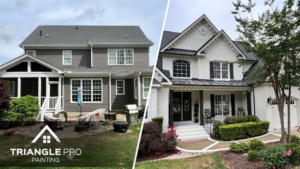
Your home speaks volumes through its exterior condition. Recognizing the warning signals that indicate your house needs painting helps prevent costly damage and maintains your property value. Here’s how to spot these tell-tale signs before they lead to serious problems.
Fading or chalky paint
Noticeable color changes on your home’s exterior serve as the first indicator that your paint is surrendering to the elements. This fading occurs primarily on surfaces that receive direct sunlight, particularly on south and west-facing walls. When examining your home’s exterior, run your hand across the surface—if a powdery residue comes off on your fingers, your paint has begun “chalking,” a breakdown process where the paint pigments deteriorate and rise to the surface.
This chalky substance indicates that your paint’s protective properties have diminished significantly. Once paint reaches this stage, it no longer provides adequate protection against moisture infiltration. In Raleigh’s climate, where humidity levels frequently spike, this deterioration happens faster than in drier regions.
Peeling or bubbling areas
Perhaps the most obvious sign your home needs attention is paint that’s peeling, bubbling, or blistering. These issues signal that moisture has already penetrated beneath the paint layer—a serious concern for your home’s structural integrity. Bubbling occurs when water vapor pushes outward from beneath the paint surface, creating pockets that eventually burst and peel.
Pay particular attention to areas near the foundation, under eaves, around windows, and along the roofline. These locations tend to show the first signs of moisture problems. For Raleigh homes, these issues often appear first on north-facing walls where moisture takes longer to dry after rainfall or morning dew.
Cracked or missing caulk
Failing caulk around windows, doors, and trim might seem minor but actually represents a significant vulnerability. Properly applied caulk creates watertight seals that prevent moisture intrusion at critical junctions. When cracks appear or sections go missing, water can penetrate deep into your home’s structure.
Inspect caulked areas by gently pressing near the seams—if the material feels brittle or pulls away easily, it’s time for replacement. This deterioration happens rapidly in Raleigh due to the temperature fluctuations between seasons, causing expansion and contraction that stresses these flexible seals beyond their limits.
Stains or mildew on siding
Dark streaks or greenish-black patches on your home’s exterior indicate mold or mildew growth—a common issue in Raleigh’s humid climate. These organisms thrive in damp environments and signal that your paint no longer repels moisture effectively. Beyond being unsightly, these growths can actually accelerate paint breakdown and potentially affect indoor air quality.
Look closely at areas that receive less direct sunlight or remain damp longer after rain. North-facing walls and surfaces beneath overhanging trees frequently develop these problems first. If you notice these discolorations spreading across your home’s exterior, your paint’s protective qualities have already been compromised.
Taking prompt action when these signs first appear saves considerable expense and prevents structural damage. The best approach involves addressing these issues during optimal painting seasons—typically spring and fall in Raleigh—when temperature and humidity levels support proper paint adhesion and curing.
Hidden Clues You Might Miss
Beyond the obvious signs of paint failure, several subtle indicators often go unnoticed until significant damage occurs. Recognizing these hidden clues allows homeowners to address exterior painting needs before costly problems develop.
Wood rot or soft spots
Deteriorating paint protection frequently leads to wood decay that remains hidden until extensive damage has occurred. To detect early signs, gently press suspicious areas with a screwdriver handle—soft or spongy sections indicate rot has begun beneath the surface. These compromised areas typically appear around window sills, door frames, and where siding meets the foundation.
Wood rot accelerates rapidly once established, spreading through your home’s structure and potentially compromising its integrity. Properly timed exterior painting creates a moisture barrier that prevents this destructive process from starting.
North-facing areas of Raleigh homes often develop rot first since they receive less direct sunlight and consequently retain moisture longer after rainfall. Likewise, areas near sprinkler systems or under overhanging trees create ideal conditions for persistent dampness that encourages decay.
Increased energy bills from poor insulation
A surprising indicator of failing exterior paint comes through your monthly utility statements. When exterior paint begins breaking down, tiny cracks develop that allow outside air to infiltrate your home’s envelope. This air exchange forces heating and cooling systems to work harder, subsequently raising energy consumption.
Pay attention to unexplained increases in energy costs, particularly following seasonal changes. Compare current bills to previous years—consistent increases may signal compromised exterior protection rather than simply rising energy prices.
For Raleigh homeowners, this issue becomes especially pronounced during humid summer months when air conditioning systems struggle to remove moisture from air entering through these small breaches. Consequently, both comfort and efficiency suffer when exterior paint no longer provides an effective seal.
Paint pulling away from trim or windows
Hairline separation between painted surfaces indicates early adhesion failure that most homeowners overlook. Examine areas where different materials meet—such as where window frames connect to siding or where trim boards join. Even tiny gaps here allow moisture to penetrate deep into your home’s structure.
This separation occurs primarily because different building materials expand and contract at varying rates with temperature changes. Quality exterior paint provides flexibility to accommodate these movements, hence maintaining seals across diverse surfaces. As paint ages, it loses elasticity and cannot adjust to these natural shifts.
In Raleigh’s climate, where temperatures can fluctuate significantly between seasons, these expansion-related issues emerge more quickly than in regions with stable temperatures. Professional painters address these vulnerable junctions with specialized preparation techniques during optimal painting seasons.
Identifying these subtle warning signs early helps preserve your home’s value while preventing structural damage. Regular inspection of these less obvious indicators ensures you’ll schedule exterior painting at the ideal time—before serious problems develop.
Best Time to Paint in Raleigh
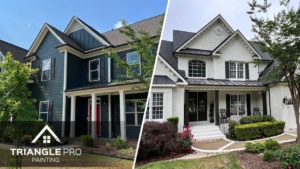
Selecting the proper season for exterior painting in Raleigh requires understanding the region’s unique climate patterns. Timing your project correctly makes the difference between a paint job that lasts 7-10 years versus one that begins failing within months.
Ideal seasons for exterior painting
Raleigh’s climate presents distinct challenges for exterior painting projects. The region experiences four distinct seasons, although summer humidity often extends well into September. Professional painters typically recommend scheduling exterior projects during mid-spring (April-May) or mid-fall (September-October). These periods generally offer stable weather patterns with fewer rain delays.
Avoiding the peak of summer (July-August) proves wise, as extreme heat accelerates paint drying before proper adhesion occurs. Similarly, winter months (December-February) present too much moisture and low temperatures for optimal results. Although occasional warm winter days might seem tempting, overnight temperature drops can ruin fresh applications.
How humidity and temperature affect paint
Temperature and humidity directly impact paint performance at the molecular level. Paint applied in ideal conditions forms stronger bonds with surfaces and cures properly throughout all layers. For most exterior paints, temperatures between 50-85°F provide optimal results.
High humidity forces moisture into paint before it cures properly, leading to adhesion issues. Conversely, extremely dry conditions can cause paint to dry too quickly, preventing proper leveling and creating visible lap marks. For Raleigh homes, morning condensation presents additional challenges, making afternoon painting sessions generally more successful.
Wind conditions further complicate exterior painting, as strong breezes accelerate drying times and can blow debris onto wet surfaces. Professional painters monitor weather forecasts closely, looking for days with moderate temperatures, humidity below 70%, and minimal wind.
Why spring and fall are often best
Spring and fall provide consistent temperature ranges that hover within paint manufacturers’ recommended application guidelines. These transition seasons typically deliver the perfect balance of warm days and cool (but not freezing) nights that allow paint to cure properly.
Fall offers slightly better conditions overall for Raleigh homes because humidity levels trend lower than spring. Additionally, spring pollen—particularly prevalent in Raleigh’s tree-heavy neighborhoods—can contaminate wet paint surfaces.
Professional painters often schedule morning work during fall and afternoon sessions during spring, adapting to each season’s daily temperature cycle. This strategic timing maximizes working hours while ensuring optimal application conditions.
What to Do Once You Spot the Signs
After identifying warning signs that your home needs exterior painting, taking prompt action can prevent further damage. Addressing these issues promptly—instead of waiting until the next ideal painting season—often saves thousands in potential repairs.
Get a professional inspection
Once you notice concerning signs, scheduling a professional assessment should be your first step. Expert painters examine areas homeowners typically miss, including roof overhangs, window casings, and areas behind downspouts. Professional inspectors use moisture meters to detect hidden dampness beneath seemingly intact paint surfaces and identify early stages of wood deterioration before visible rot appears.
Professional assessments offer objective evaluations of your home’s condition without the sales pressure some painting companies apply. These inspections typically include detailed reports highlighting priority areas needing immediate attention versus sections that can wait for optimal painting conditions.
Compare quotes from local painters
After confirming your home needs painting, obtaining multiple estimates helps ensure fair pricing and comprehensive service. When reviewing quotes, look beyond the bottom-line price to understand what each includes:
- Surface preparation methods (simple washing versus proper scraping and priming)
- Paint quality and warranty periods
- Timeline commitments and weather contingency plans
- Proof of insurance and local references
Local Raleigh painters understand regional climate challenges and can recommend appropriate products specifically formulated for our humid conditions. Experienced professionals will discuss optimal timing for your project based on your home’s condition and upcoming weather forecasts.
Prepare your home for the project
Prior to the painting crew’s arrival, several preparation steps maximize efficiency and results:
First, trim back shrubs and trees at least 18 inches from the house to allow painters proper access to all surfaces. Next, remove or cover outdoor furniture, grills, and playsets to prevent accidental damage or paint overspray. Additionally, secure pets indoors during the project, as paint fumes and constant door opening create escape opportunities.
Communicate specific concerns to your painting team—point out areas where you’ve noticed problems or previous repairs that need special attention. This collaboration between homeowner and painting professionals ensures thorough addressing of all issues rather than simply covering them with a fresh coat of paint.

Conclusion
Taking action at the first sign of exterior paint failure protects your Raleigh home from potentially serious damage. Throughout this guide, we’ve examined how peeling paint, wood rot, and failing caulk signal urgent needs rather than mere cosmetic concerns. These warning signs deserve immediate attention, especially given our region’s challenging climate conditions.
The unique Raleigh weather pattern, with high humidity levels and fluctuating temperatures, accelerates paint deterioration compared to other regions. Therefore, scheduling your painting project during optimal seasons—specifically mid-spring or mid-fall—ensures the best results and maximum durability. Paint applied during these ideal windows typically lasts 2-3 years longer than projects completed during extreme summer heat or damp winter conditions.
Additionally, remember that exterior painting serves multiple crucial functions beyond esthetics. Fresh paint creates an essential moisture barrier that prevents structural damage, increases energy efficiency, and maintains your property value. Homes with well-maintained exteriors commonly sell faster and command 5-10% higher prices than similar properties with weathered appearances.
Rather than viewing exterior painting as an optional upgrade, consider it essential preventive maintenance. The cost of repainting pales in comparison to repairing extensive water damage, replacing rotted wood, or addressing structural issues caused by prolonged exposure to the elements.
After spotting warning signs, scheduling a professional inspection helps identify all problem areas, including those hidden from casual observation. Subsequently, comparing quotes from experienced local painters who understand Raleigh’s specific climate challenges ensures quality results that stand the test of time.
Undoubtedly, your home represents your largest investment. Protecting it with timely, properly executed exterior painting provides peace of mind while preserving both appearance and structural integrity for years to come.