
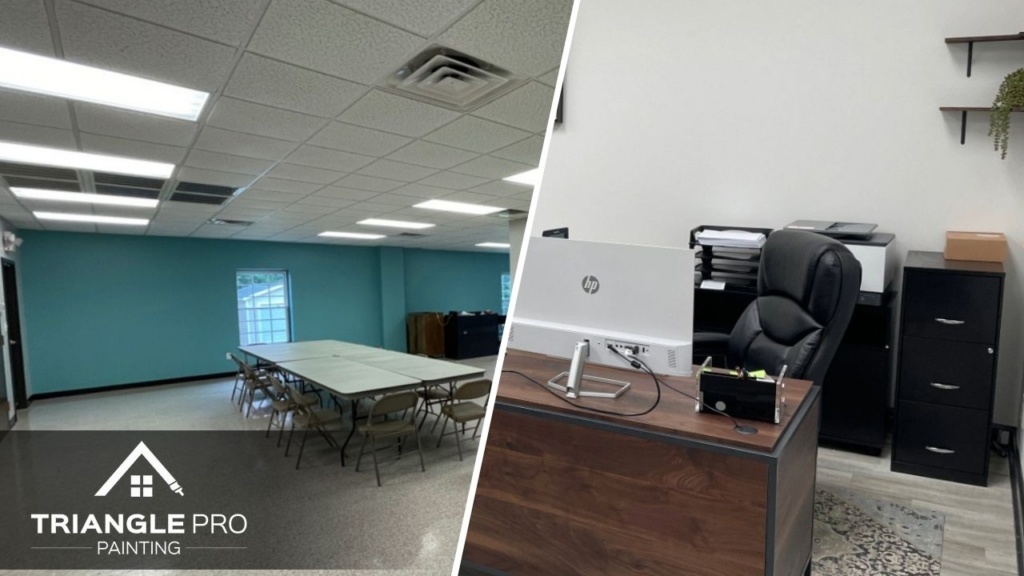
Scheduling an interior commercial painting project involves more than choosing a color and picking a date. Offices, retail stores, medical spaces, restaurants, showrooms, and other business properties have daily operations to consider. Employees need access to work areas, customers may still visit the space, and the finished result needs to look clean, durable, and professional.
A well-planned commercial painting project can refresh the space without major disruption. However, rushing into the work without preparing the building, schedule, and expectations can lead to delays, added costs, and avoidable frustration. Before booking painters, business owners should understand what affects the timeline, how the space should be prepared, and what questions to ask during the estimate process.
Understand the Scope of the Project First
Before scheduling interior commercial painting, define exactly what areas need work. A single office refresh is very different from repainting an entire retail space, multi-room office, hallway system, lobby, or common area.
Business owners should consider whether the project includes walls only, or if it also includes ceilings, trim, doors, baseboards, stairwells, break rooms, restrooms, or storage areas. These details affect labor time, material needs, and scheduling.
A clear scope helps prevent confusion once the project begins. It also allows the painting contractor to provide a more accurate estimate. If certain areas need priority, such as reception spaces or customer-facing rooms, those should be discussed early so the project can be phased properly.
Choose the Right Time for the Work
Timing matters for any commercial painting project. Unlike residential painting, businesses often need to stay open or limit downtime during the work. That means scheduling should be based on customer traffic, employee workflow, business hours, and access needs.
Some projects can be completed during normal working hours if the space is lightly used. Others may require evening, weekend, or phased scheduling to avoid disrupting daily operations. Retail stores may prefer painting after closing, while offices may schedule work around meetings, client visits, or slower business periods.
Professional commercial painting contractors can help plan the project in a way that reduces interruption. The more flexible the schedule, the easier it is to complete the work efficiently without affecting business activity.
Prepare Employees, Customers, and Tenants
Communication is an important part of commercial painting preparation. Employees should know which areas will be unavailable, where furniture or equipment may be moved, and whether any odors, drying time, or temporary access changes should be expected.
For retail or customer-facing spaces, business owners may need to notify customers about temporary changes. Signs, email updates, or adjusted hours may be helpful depending on the size of the project.
If the property has tenants, shared hallways, or common areas, those occupants should also receive advance notice. Clear communication helps avoid confusion and allows everyone to plan around the work.
Review Surface Conditions Before Painting
Interior commercial walls often experience more wear than residential spaces. Scuffs, dents, stains, nail holes, peeling paint, water marks, and previous patchwork can all affect the final result.
Before painting begins, surfaces should be inspected carefully. Areas with damage may need patching, sanding, priming, or stain blocking before new paint is applied. Painting over damaged or dirty surfaces can make the finish look uneven and reduce durability.
If your walls already show visible wear, it may be helpful to review the signs your office or retail space needs fresh paint before scheduling the project. This can help identify which areas need the most attention.
Select Colors That Support the Business
Color selection should match more than personal preference. Interior commercial paint colors influence how customers, employees, and visitors experience the space. A law office may need a calm and professional palette, while a retail store may benefit from stronger brand colors or accent walls.
Neutral colors often work well in offices, hallways, waiting rooms, and shared spaces because they create a clean and flexible background. Accent colors can be used in reception areas, conference rooms, display walls, or branded spaces to create visual interest.
Business owners should also consider lighting, flooring, furniture, signage, and brand identity before choosing colors. Reviewing the best commercial paint colors for a professional first impression can help narrow down color choices before the estimate.
Choose the Right Paint Finish
Paint finish matters in commercial interiors because different areas experience different levels of traffic and cleaning. A finish that works in a private office may not be durable enough for hallways, restrooms, break rooms, or customer-facing spaces.
Flat finishes can hide imperfections but are harder to clean. Eggshell and satin finishes are often useful for office walls, waiting areas, and retail spaces because they balance appearance and durability. Semi-gloss finishes may be better for trim, doors, and areas that need frequent cleaning.
The right finish helps the paint last longer and makes maintenance easier. A professional painter can recommend finishes based on how each space is used.
Plan for Furniture, Equipment, and Access
Interior commercial painting often requires moving furniture, covering equipment, protecting floors, and creating clear access to walls. Desks, shelves, display racks, filing cabinets, electronics, and fixtures may need to be shifted or protected before work begins.
Business owners should clarify who is responsible for moving items. Some painting crews may handle light furniture movement, while larger equipment, sensitive electronics, or valuable merchandise may need to be moved by the business beforehand.
Clear access helps painters work faster and reduces the risk of damage. It also helps the project stay on schedule.
Ask About Surface Protection and Cleanup
A commercial painting project should include proper protection for floors, furniture, fixtures, counters, signage, and equipment. Drop cloths, plastic coverings, masking tape, and careful prep work help keep the work area clean.
Cleanup should also be discussed before the project begins. Business owners should know whether the crew will remove materials, reinstall outlet covers, clean up dust, and leave the area ready for normal use.
Professional painting services in Raleigh, NC should include a clear plan for preparation, protection, painting, and cleanup so the project feels organized from start to finish.
Consider Odor, Drying Time, and Ventilation
Interior commercial painting may involve odor and drying time, depending on the products used and the size of the space. Business owners should ask about low-VOC paint options, ventilation needs, and how soon areas can be used after painting.
This is especially important for medical offices, schools, childcare spaces, restaurants, salons, and customer-facing businesses where comfort and air quality matter. Proper ventilation and scheduling can reduce inconvenience and help the space return to normal faster.
Drying time also affects when furniture can be moved back, when walls can be touched, and when the area is fully ready for use.
Know What Affects the Project Timeline
Several factors can affect how long an interior commercial painting project takes. These include the size of the space, number of rooms, wall condition, color changes, drying time, ceiling height, trim details, furniture movement, and whether the business remains open during the work.
A small office may only take a short time, while a larger commercial property may need phased scheduling across several days. If walls need repairs, stain blocking, or multiple coats, the timeline may increase.
Setting realistic expectations before work begins helps avoid frustration. A detailed estimate should explain the expected timeline and any factors that could extend the project.
Compare Estimates Carefully
Not all painting estimates include the same scope of work. One contractor may include wall repairs, primer, two coats, surface protection, and cleanup, while another may provide a lower price that leaves out important steps.
Business owners should compare estimates based on details, not just price. Ask what prep work is included, what paint products will be used, how many coats are planned, whether trim and doors are included, and how the crew will protect the space.
A vague estimate can lead to confusion later. A clear, itemized proposal helps you understand what you are paying for and makes it easier to compare contractors fairly.
Work With Painters Who Understand Commercial Spaces
Commercial interiors require more planning than basic residential rooms. The crew must understand scheduling, surface durability, customer access, safety, and business disruption. Clean lines and reliable communication matter because the space represents your company.
Working with experienced interior painting professionals helps ensure the project is handled properly. From preparation and color guidance to finish selection and cleanup, the right team can make the process smoother and reduce stress for business owners.
If your goal is to improve the appearance of the business without a full remodel, commercial painting can be one of the most practical upgrades. It can refresh walls, improve first impressions, and support your brand without changing the layout or structure.
Conclusion
Before scheduling an interior commercial painting project, business owners should think carefully about scope, timing, surface condition, color selection, paint finish, access, and cleanup. These details affect both the final result and how smoothly the project fits around daily operations.
A successful commercial painting project starts with clear communication and proper planning. When the space is prepared, the schedule is realistic, and the right products are used, fresh paint can make the business look cleaner, more professional, and more welcoming.
If your office, retail store, or commercial interior is ready for an update, Triangle Pro Painting can help plan the project from start to finish. Their team provides professional commercial and interior painting services designed to refresh business spaces with minimal disruption and long-lasting results.