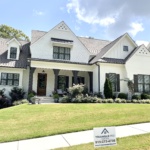
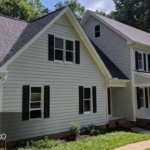
Exterior paint colors transform more than just your home’s appearance—they can significantly impact its market value. Choosing the right palette for your North Carolina property isn’t merely about personal preference; it’s a strategic investment decision that can yield substantial returns when it’s time to sell.
Most NC homeowners underestimate the power of color psychology in real estate. A thoughtfully selected exterior color scheme can make your property stand out in neighborhood listings while still maintaining regional appeal. Additionally, the right colors can highlight architectural features, mask design flaws, and create an emotional connection with potential buyers.
This guide explores the most value-enhancing exterior paint colors specifically suited for North Carolina homes. From timeless neutrals that never go out of style to bold blues that capture coastal charm, we’ll examine how each palette can maximize your home’s curb appeal and market potential. We’ll also consider practical factors like climate durability, maintenance requirements, and cost-effectiveness to help you make the most informed decision.

Classic Neutrals for Timeless Curb Appeal
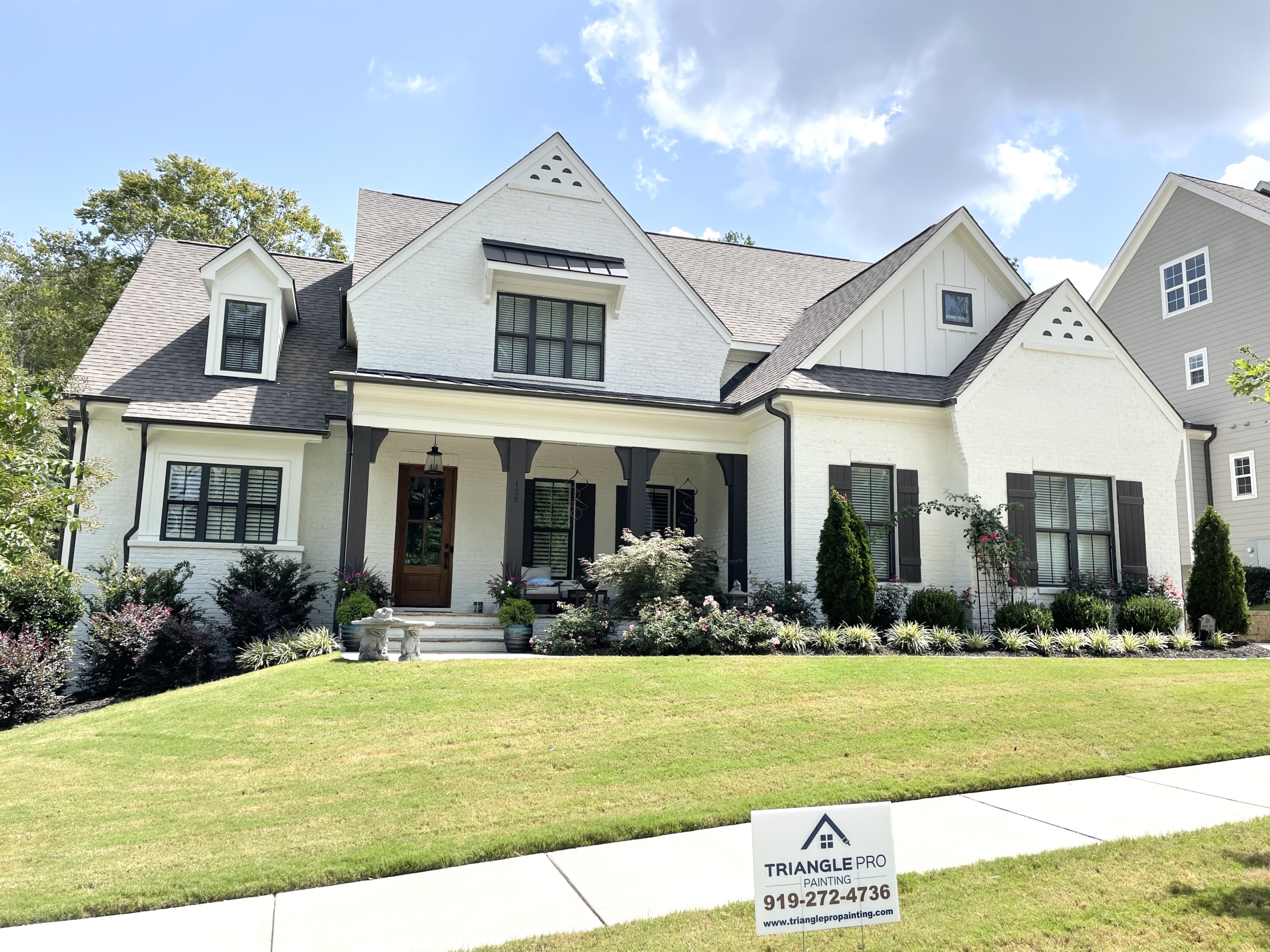
Neutral exterior paint colors remain the gold standard for homeowners who prioritize longevity and broad market appeal. Unlike trendy options that quickly date, these understated palettes create a canvas that enhances architectural details while maintaining neighborhood harmony.
Classic Neutrals key features
Neutral exteriors excel at creating visual balance through their versatility. These palettes—ranging from soft whites and creams to warm beiges and sophisticated grays—provide a backdrop that allows architectural elements to shine. Furthermore, strategic use of neutral tones can create optical illusions that benefit your property’s appearance.
Light-colored neutral exteriors positioned strategically can reflect illumination throughout the property, making even modest-sized homes appear more substantial. Real estate professionals confirm that homes with bright, spacious appearances typically command higher market prices and sell more quickly than properties with darker, visually confined exteriors.
One particularly valuable feature of neutral exteriors is their ability to make rectangular structures appear more proportionate through thoughtful application. For instance, applying lighter neutral tones to the body with slightly darker neutral trim creates dimension without overwhelming contrast.
Classic Neutrals pros and cons
Pros:
- Timeless appeal that transcends design trends
- Creates a clean, sophisticated first impression
- Provides excellent versatility for accent colors in landscaping and details
- Appeals to the broadest range of potential buyers
- Reflects more light, potentially reducing cooling costs
Cons:
- May appear bland without thoughtful architectural highlights
- Lighter neutrals show dirt and weathering more readily
- Premium neutral paints with maximum durability cost more initially
- May require more frequent touch-ups in high-traffic or high-exposure areas
Neutral exteriors offer remarkable return on investment compared to trendier choices. As one homeowner noted after repainting with classic neutrals, “Our house looks brand new!” This sentiment underscores how relatively minor color changes can dramatically alter perception while avoiding polarizing reactions.
Classic Neutrals pricing considerations
Quality matters considerably with neutral exterior paints because imperfections show more readily on lighter, uniform surfaces. Professional painting contractors often recommend premium paints despite their higher upfront cost because they provide more consistent application, create smoother finishes, adhere better to prepared surfaces, and maintain color integrity longer against UV exposure.
For environmentally conscious homeowners, low-VOC (Volatile Organic Compound) and zero-VOC neutral formulations typically cost 10-20% more than conventional counterparts but deliver valuable benefits beyond environmental responsibility. These options minimize harmful emissions while allowing spaces to be occupied sooner after painting.
Many North Carolina painting professionals offer flexible payment plans that make premium neutral paint jobs more accessible, recognizing the long-term value these timeless color schemes provide.
Classic Neutrals best for NC homes
North Carolina’s diverse housing market—from historic bungalows to modern condominiums—benefits particularly from neutral exteriors that respect architectural heritage while maintaining contemporary appeal. Neutral palettes work exceptionally well in historic districts like Oakwood or Boylan Heights, where preservation guidelines may necessitate specialized materials and techniques.
Homeowners’ associations throughout North Carolina frequently restrict color palettes, making neutrals a safe choice that rarely triggers approval complications. Even neighborhoods without formal HOAs sometimes have covenant restrictions affecting exterior modifications that neutral colors easily satisfy.
The North Carolina climate, with its humidity and seasonal changes, creates additional considerations that neutral colors address well. Their reflective properties help manage temperature fluctuations while showing less fading over time compared to saturated hues.
Bold Blues and Navy Tones for a Modern Look
Blue exterior paint colors offer dramatic curb appeal that stands apart from conventional choices. Modern homeowners increasingly select navy, indigo, and deep blue tones to create sophisticated exteriors that balance boldness with timeless appeal.
Bold Blues key features
Deep blue exteriors create striking visual impact through strategic contrast. Professional painters recommend creating crisp, clean lines at color transitions to maximize this effect. These rich tones particularly excel at highlighting architectural details that might otherwise go unnoticed on lighter-colored homes.
Navy and indigo exteriors possess remarkable versatility despite their boldness. These colors function effectively as “new neutrals” when paired with classic white trim, creating a look that remains contemporary without appearing overly trendy.
Blue exteriors demonstrate exceptional ability to conceal imperfections. The depth and saturation in these shades naturally hide surface irregularities, making them ideal for older homes with minor exterior flaws that might be highlighted by lighter paint colors.
Bold Blues pros and cons
Pros:
- Creates distinctive, memorable curb appeal
- Hides dirt, stains and minor imperfections better than light colors
- Establishes immediate visual distinction from neighboring properties
- Pairs excellently with both traditional and modern architectural styles
- Offers versatility with various trim color options
Cons:
- May face restrictions in conservative HOA communities
- Requires careful color selection to avoid appearing too dark or cold
- Shows fading more noticeably than lighter colors
- Can make smaller homes appear visually compressed without proper balance
- May require more maintenance in areas with high sun exposure
Blue exterior paint demonstrates remarkable durability when properly applied. As one North Carolina customer noted, “Their attention to detail going the extra mile is clearly evident in the finished product. Our home hasn’t looked this good since it was originally built.”
Bold Blues pricing considerations
Quality matters substantially with bold blue exteriors because color integrity and faderesistance directly impact the home’s appearance over time. These deeper pigments typically require multiple coats for proper coverage, especially when transitioning from lighter colors.
Professional painting services throughout North Carolina offer important advantages for bold blue applications, including proper surface preparation, precise cutting-in around architectural features, and expert color consultations. Local painters note that bold blues require particularly meticulous preparation to achieve crisp transitions between colors.
The investment in professional application yields superior results with these statement colors. As another satisfied customer explained, “They were dependable and worked so very hard each day. We highly recommend them.”
Bold Blues best for NC homes
North Carolina’s diverse architectural styles benefit differently from bold blue applications. Colonial-style homes throughout Raleigh, Durham, and Chapel Hill gain sophisticated distinction with navy exteriors and contrasting white trim. Meanwhile, coastal properties from Wilmington to the Outer Banks embrace maritime themes with medium-to-light blue exteriors.
Historic districts may have specific requirements regarding color changes. In areas like Historic Oakwood or Boylan Heights, homeowners should verify compliance before committing to bold blues. Even neighborhoods without formal HOAs sometimes have covenant restrictions affecting exterior modifications.
Bold blues work exceptionally well in neighborhoods featuring varied architectural styles since they create immediate visual identity without requiring structural modifications. As one painting professional explains, “Most likely your house was the home of your dreams when you moved in. But as the years go on, you find yourself dreaming of a way to get the original luster and charm back.” Bold blues deliver precisely this refreshed appeal.
Earthy Greens and Sage for Natural Harmony
Earthy green exterior paint colors create a seamless transition between your home and its natural surroundings, offering a sophisticated yet understated option for North Carolina homeowners. These nature-inspired tones establish visual harmony that connects architecture with landscape elements.
Earthy Greens key features
Earthy greens excel at creating optical balance that makes properties appear more proportional and grounded. In essence, these colors visually shorten spaces, making rectangular structures appear more balanced. Cool-toned sage greens tend to recede, creating an impression of expanded space that benefits more modest homes.
Light manipulation represents another significant advantage of earthy green exteriors. Homes with limited natural light benefit from lighter sage tones that reflect illumination throughout the property, while deeper forest greens create a sense of shelter and security.
For North Carolina’s diverse architectural landscape, these colors provide regional authenticity. From the mountainous western regions to the coastal plains, earthy greens reference the state’s abundant natural beauty while maintaining architectural integrity.
Earthy Greens pros and cons
Pros:
- Creates natural harmony with landscaping elements
- Shows less dirt and weathering compared to lighter neutrals
- Offers excellent versatility for trim and accent colors
- Provides visual continuity between indoor and outdoor spaces
- Ages gracefully with minimal color shifting
Cons:
- May appear too subtle in neighborhoods with bold color schemes
- Requires thoughtful trim color selection to avoid a monotonous appearance
- Darker green shades can make smaller homes appear visually compressed
- May need reapplication sooner in areas with high sun exposure
Earthy Greens pricing considerations
Quality matters substantially with earthy green exteriors because color integrity directly impacts the home’s appearance over time. Professional painting services throughout North Carolina typically recommend premium paints despite their higher upfront cost because they maintain color stability against UV exposure.
Homeowners should consider long-term value rather than initial expense. As one satisfied customer explained, “The work done by our team was the best workmanship I have ever seen. Their attention to detail is clearly evident in the finished product.”
Earthy Greens best for NC homes
North Carolina’s diverse housing styles—from historic bungalows to modern developments—benefit from earthy green applications in different ways. Colonial and Craftsman-style homes gain period authenticity with sage and olive tones, whereas contemporary structures achieve sophisticated understatement with muted greens.
Certain neighborhoods like Five Points Historic Neighborhoods, Forest Park, and Glenwood-Brooklyn particularly embrace these natural palettes. Even in areas with HOA restrictions, earthy greens typically satisfy guidelines while providing distinctive character that enhances property value.
Warm Terracotta and Clay Shades for Southern Charm
Terracotta and clay exterior paint colors evoke the traditional Southern architectural heritage of North Carolina, offering rich warmth that resonates with the region’s historical roots. These sun-baked hues provide distinctive character while maintaining regional authenticity that connects modern homes with their cultural context.
Terracotta Shades key features
Terracotta and clay tones create visual warmth through their natural earth-derived appearance. These colors excel at enhancing architectural details through subtle dimension rather than stark contrast. Consequently, homes painted in these shades appear more inviting and established within their surroundings.
Light manipulation stands out as a notable advantage with these warm hues. Unlike cooler tones that recede, terracotta colors advance visually, making them excellent choices for creating focal points or highlighting specific architectural elements. Moreover, these shades reflect the changing sunlight throughout the day, creating a dynamic appearance that shifts from vibrant to subtle.
Terracotta Shades pros and cons
Pros:
- Creates instant southern charm and traditional character
- Hides dust and minor weathering effectively
- Establishes regional connection to North Carolina’s architectural heritage
- Provides excellent color stability with minimal fading
- Coordinates beautifully with natural stone and brick elements
Cons:
- Potentially polarizing for some buyers in ultra-modern neighborhoods
- Requires careful selection to avoid appearing dated or overly orange
- May face restrictions in conservative HOA communities
- Can make smaller homes appear visually compressed without proper balance
Terracotta Shades pricing considerations
Quality matters substantially with terracotta exterior applications primarily because color consistency directly impacts the finished appearance. Professional painting services throughout North Carolina offer important advantages for these distinctive colors, including proper surface preparation and expert color consultation.
Environmental considerations increasingly influence paint selections among North Carolina homeowners. Low-VOC terracotta formulations typically cost 10-20% more than conventional counterparts but deliver valuable health benefits by minimizing harmful emissions that can cause respiratory issues.
Terracotta Shades best for NC homes
Historic districts like Oakwood or Boylan Heights often embrace these traditional hues that complement their architectural heritage. Indeed, many preservation guidelines specifically recommend these authentic color palettes that maintain period-appropriate appearances.
Neighborhoods with Spanish-influenced or Mediterranean architectural elements particularly benefit from these warm earth tones. According to local painting experts, “The right color can get the original luster and charm back” in homes that have lost their distinctive character over time.
These colors perform exceptionally well in North Carolina’s climate, withstanding humidity and seasonal changes while maintaining visual appeal throughout the year.
Contrasting Trim Colors to Highlight Architecture
Strategic use of contrasting trim elevates ordinary exteriors into architectural showcases, drawing attention to your home’s unique features while creating visual definition. This design approach uses color psychology to highlight structural elements that might otherwise go unnoticed.
Contrasting Trim key features
Contrasting trim excels at creating optical illusions that enhance spatial perception. Dark-colored trim against lighter walls visually frames a home, making modest-sized properties appear more substantial. Similarly, lighter trim against darker exteriors creates crisp definition that showcases architectural details.
For North Carolina homes with limited architectural interest, contrasting trim effectively creates the illusion of additional features. Even simple window casings gain prominence through thoughtful color selection, transforming basic openings into visual focal points.
Contrasting Trim pros and cons
Pros:
- Highlights architectural features without structural modifications
- Creates visual boundaries that organize exterior elements
- Refreshes dated facades without full repainting
- Adds perceived value through enhanced curb appeal
- Establishes distinctive character in neighborhoods with similar home styles
Cons:
- Requires precise application to achieve clean lines
- Shows imperfections more readily at color transitions
- May face restrictions in historic districts or HOA communities
- Demands higher skill level for proper execution
- Potentially polarizing if contrasts are too dramatic
Contrasting Trim pricing considerations
Quality matters substantially with contrasting trim applications. Professional painters recognize that proper preparation determines the finished quality, particularly at color transition points. Homes requiring extensive preparation before painting generally need more investment in labor hours.
Textured surfaces require approximately 30% more paint than smooth surfaces due to greater surface area. Additionally, dramatic color transitions often require multiple coats for proper coverage, increasing both material costs and application time.
Contrasting Trim best for NC homes
Historic districts like Oakwood and Boylan Heights benefit immensely from historically accurate trim colors that enhance period-appropriate details. Many preservation guidelines specifically recommend contrasting trim to maintain architectural integrity.
Equally important, contemporary developments throughout Raleigh, Durham, and Charlotte gain distinction through thoughtful trim applications. As one satisfied customer noted after updating their trim, “Our house looks brand new!”

Conclusion
Selecting the perfect exterior paint color for your North Carolina home represents more than an esthetic choice—it’s a strategic investment that significantly impacts property value. Throughout this guide, we’ve explored how classic neutrals provide timeless appeal and broad market attraction, while bold blues create distinctive character that sets your home apart. Likewise, earthy greens establish natural harmony with surrounding landscapes, and terracotta shades evoke authentic Southern charm deeply connected to regional heritage.
Remember that contrasting trim colors effectively highlight architectural features without expensive structural modifications. When considering your options, climate durability remains essential for North Carolina’s varied weather conditions. Homeowners should certainly weigh maintenance requirements and neighborhood considerations before making final decisions.
Quality matters substantially regardless of your chosen palette. Professional application generally delivers superior results that last longer and maximize return on investment. Though premium paints initially cost more, they typically provide better coverage, enhanced durability, and greater color stability over time.
The right exterior color combination does more than simply refresh your home’s appearance—it creates emotional connections with potential buyers, emphasizes architectural strengths, and minimizes perceived flaws. Take time to evaluate how each palette might work with your specific property characteristics. Additionally, consider consulting local painting professionals who understand regional preferences and climate challenges unique to North Carolina.
Your home’s exterior makes a powerful first impression that can either attract or discourage potential buyers. Therefore, choosing colors that balance personal preference with market appeal proves essential for maximizing property value. The perfect exterior color scheme transforms your house into a standout property while still maintaining neighborhood harmony—ultimately resulting in both immediate satisfaction and long-term financial benefits.